
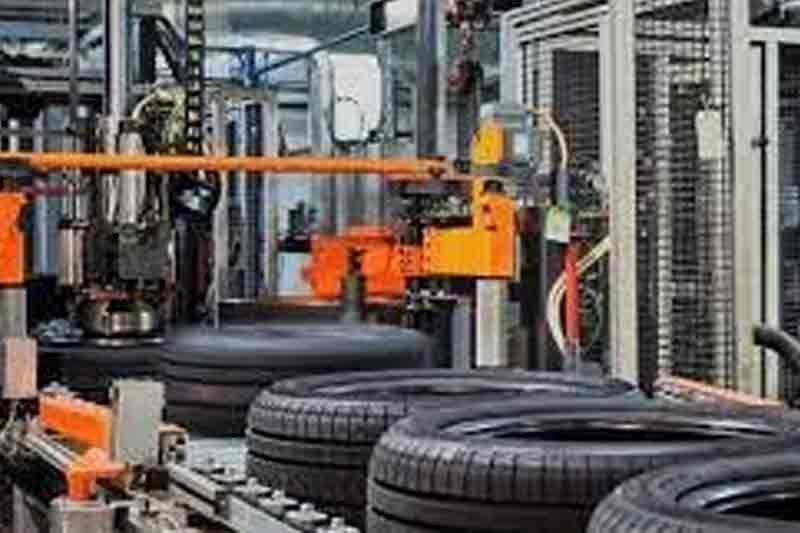
What the fans do here
Tyre plants generate carbon black dust in mixing, rubber fume in curing, and heat everywhere. Bag filter fans on the carbon black handling system, fume exhaust on the curing presses, and heavy ventilation across the plant are the main duties.
Applications in this industry
| Application | What it does | Type usually selected |
|---|---|---|
| Dust Collector Fan | The fan behind a bag filter, cyclone or multiclone on a dust extraction system. Placed on the clean side where possible so the blade can be chosen for efficiency. | Backward inclined and radial tipped |
| Fume Exhaust System | Hoods, ducting and an exhaust fan that capture fume at source and deliver it to a scrubber, bag filter or stack. Fan material follows the fume: stainless steel, PP-FRP or rubber lined where it is corrosive. | Backward inclined and radial tipped |
| Ventilation Fan | Moves air through a plant or building for fresh air supply, heat removal and fume dilution where the system is ducted. Low pressure, long hours, so efficiency and noise set the selection. | Backward inclined and forward curved |
| HVAC | Supply, return and exhaust fans for heating, ventilation and air conditioning of plant and office space. Low pressure, so efficiency and noise govern. | Axial, backward inclined and forward curved |
| Roof Extractor | An axial fan in a weatherproof cowl mounted on an inclined or flat roof, exhausting hot air from the ridge of a factory shed. | Axial |
Processes in this industry
Thermic Fluid HeatersEffluent Treatment and Zero Liquid Discharge PlantsTyre Plant Mixing and Carbon Black HandlingTyre Curing PressesCarbon Black PlantsFactory Shed VentilationRubber and Plastics Compounding
Equipment supplied
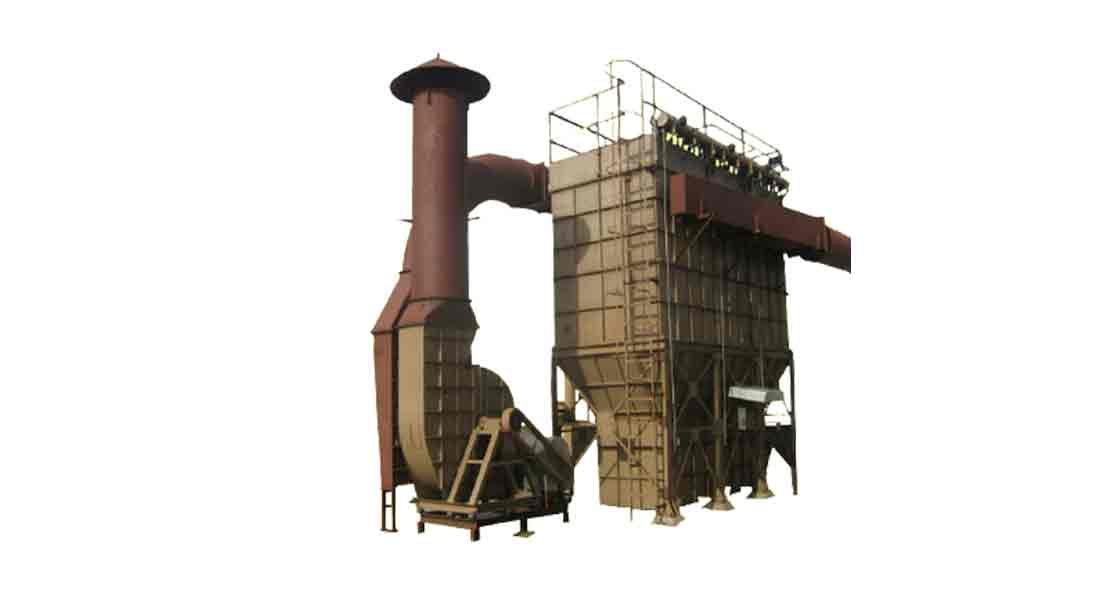
Bag Filter
Fabric filters in polyester, polypropylene, Ryton and Nomex. Efficiency to 99.9% down to 5 micron.
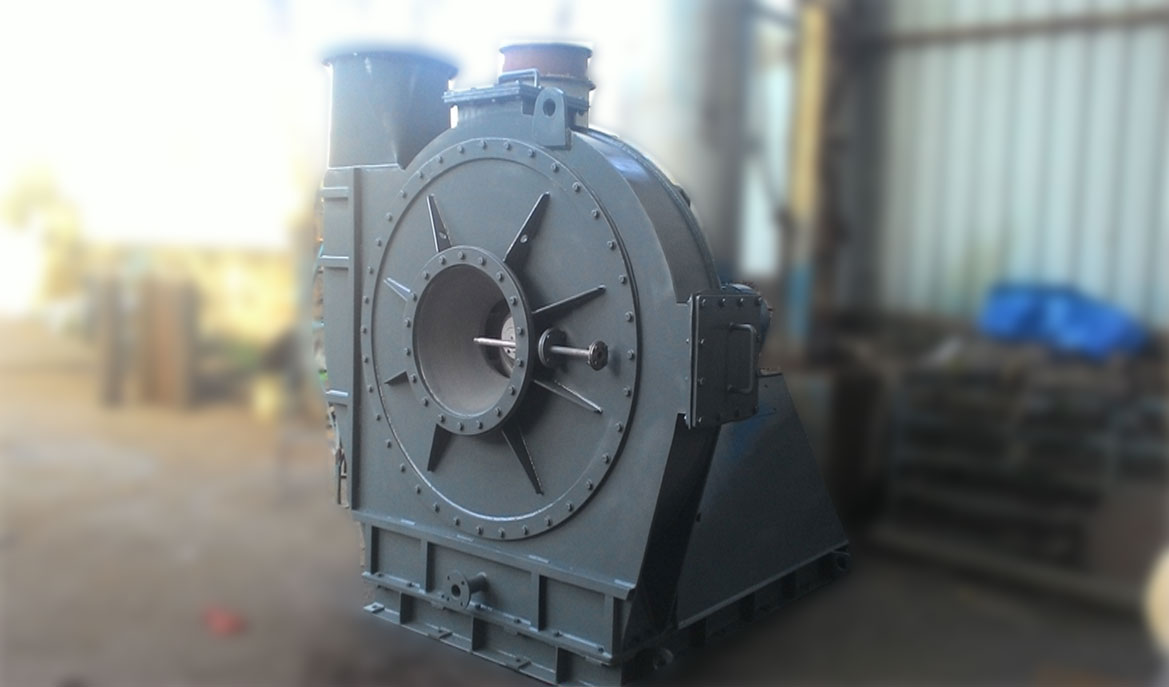
Centrifugal Fans
0.3 to 120 m³/s, 25 to 3120 mmWC single stage. Six blade configurations, three drive arrangements.
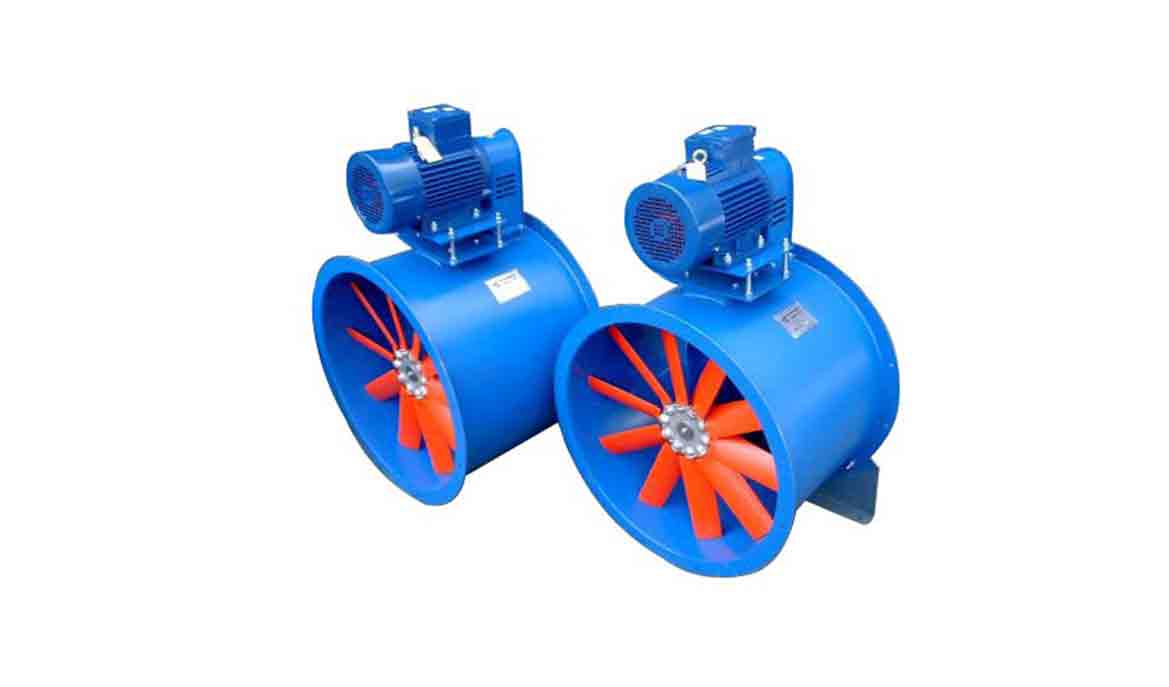
Axial Fans
0.3 to 70 m³/s, 3 to 75 mmWC. Direct drive, belt drive and bifurcated. Fixed or variable pitch impellers.
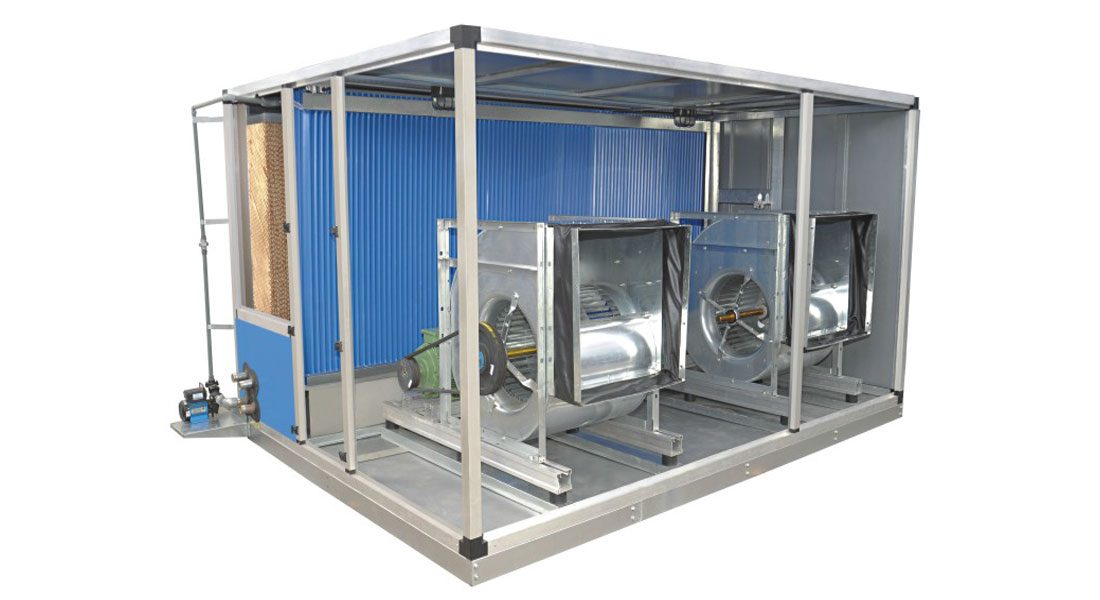
Ventilation System
Supply and exhaust ventilation, evaporative cooling, roof extractors, jet fans and air distribution.
Information needed to select or quote
- Duty point. Volume flow and static pressure at the fan inlet, with the gas density and temperature or the conditions to derive it.
- Operating conditions. Site altitude, normal operating temperature and continuous or intermittent duty.
- Gas stream. Dust loading and particle size, corrosive species, moisture, upset temperature and any tendency of the material to deposit on the impeller.
- Mechanical. Rotation viewed from the drive end, discharge orientation and motor power.