
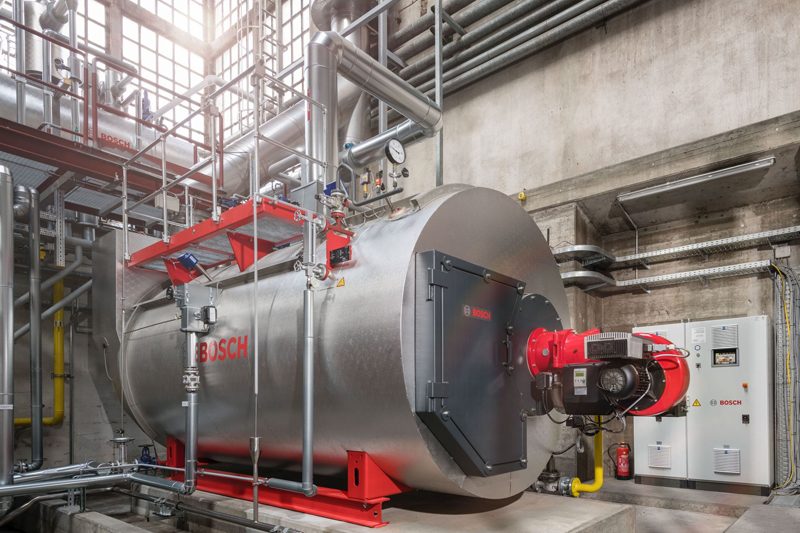
Boiler
A boiler house runs on draft.
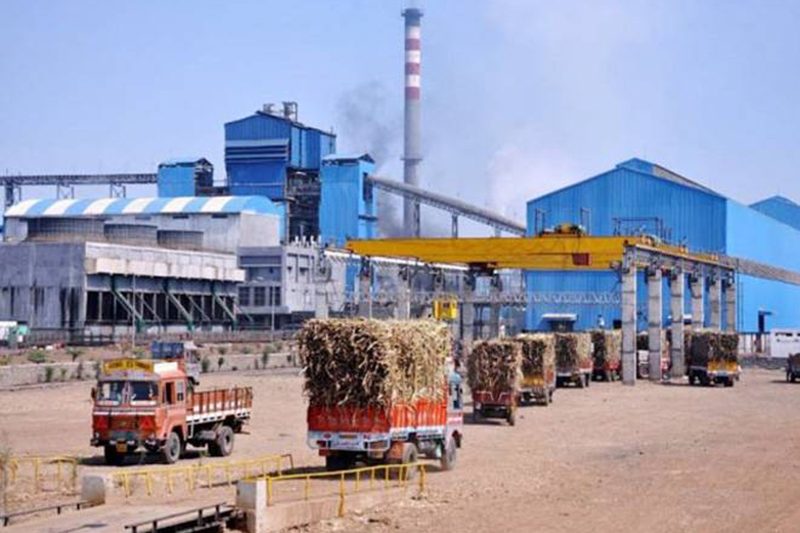
Sugar
Sugar mills fire bagasse, a wet, fibrous fuel that produces a heavy fly ash load.
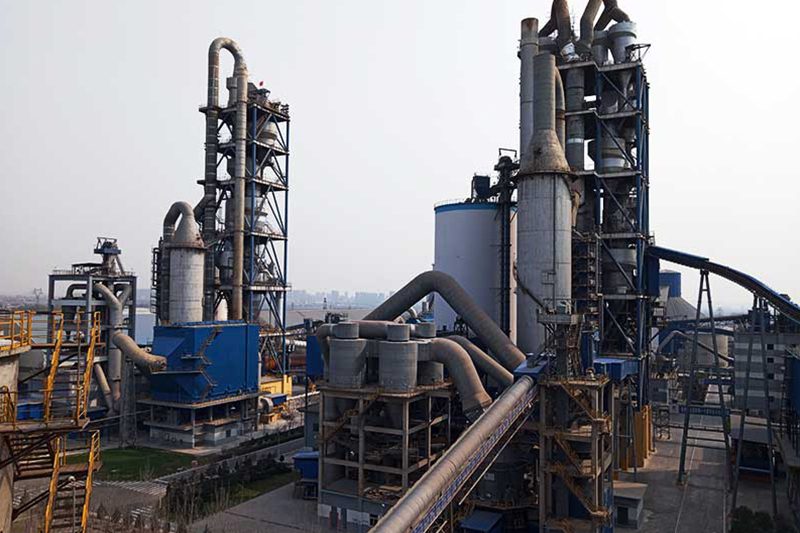
Cement & Lime
A cement line is a chain of fans.
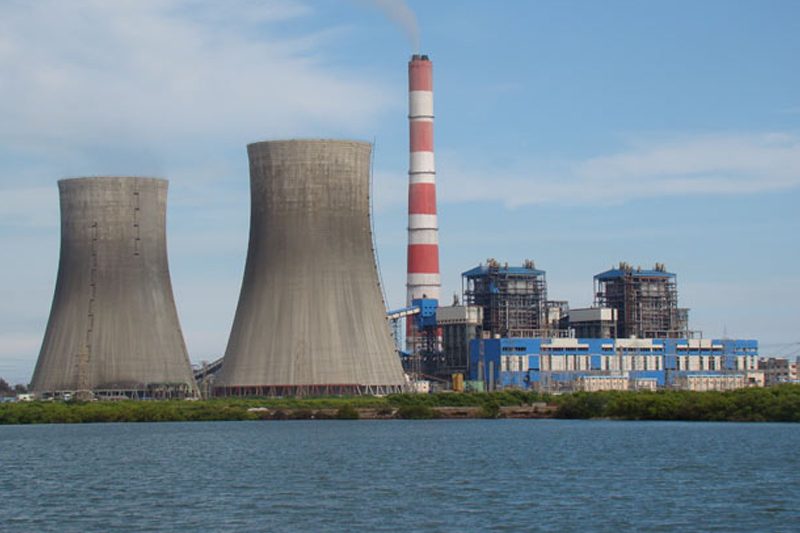
Power
Thermal power stations use the full boiler fan set at the largest sizes: ID fans on the flue gas after the ESP, FD fans for secondary air, PA fans for mill air, and seal air blowers to keep pulverised coal out of the mill bearings.
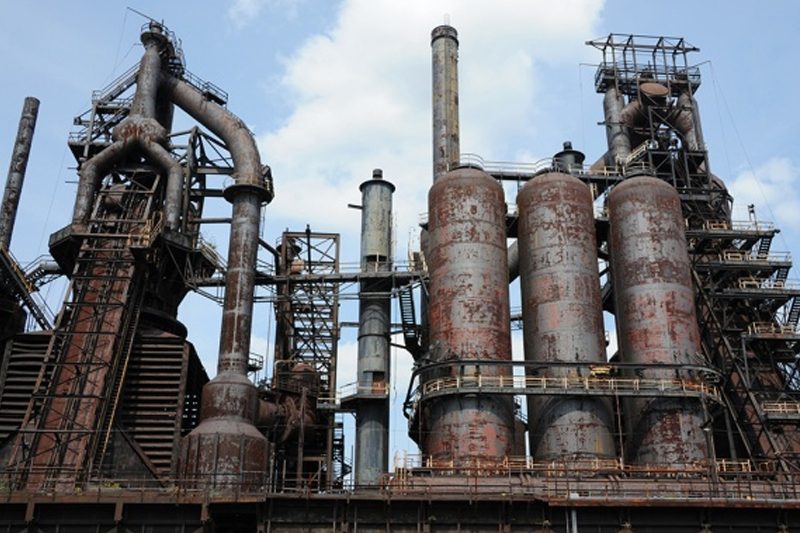
Iron & Steel
Pig iron and steel plants need fans for the blast furnace stove, the sinter plant, the coke oven and the fume extraction over converters and electric arc furnaces.
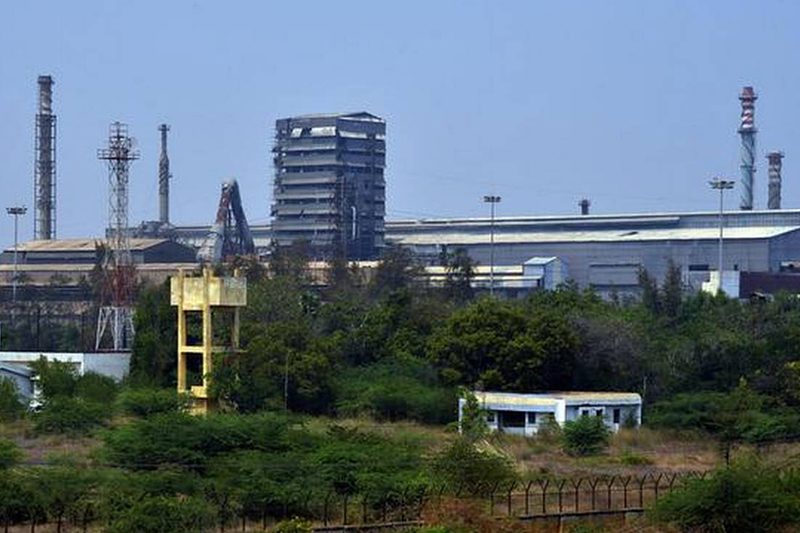
Non Ferrous Metal
Ferro alloy, aluminium and copper plants run submerged arc and reverberatory furnaces whose fumes carry fine metallic dust and, in some processes, acid gas.
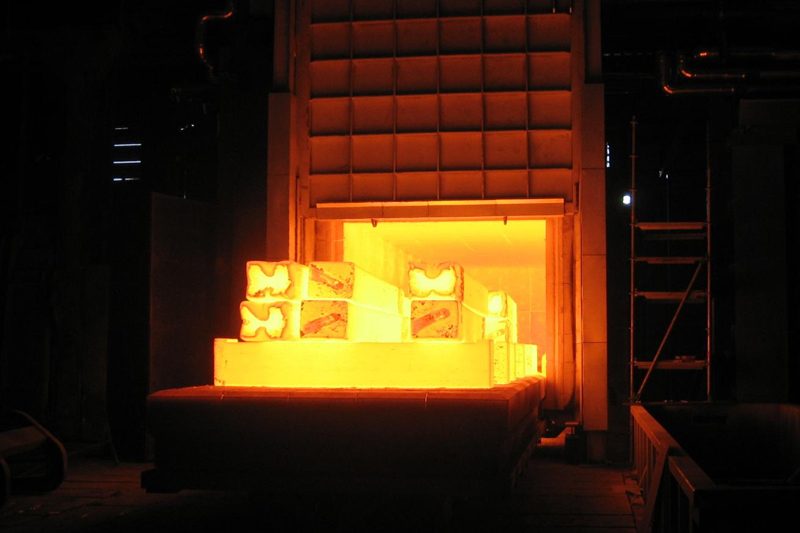
Furnaces
Heat treatment, forging and melting furnaces need combustion air blowers sized for the burner pressure, hot air fans for recirculation in the furnace chamber, and exhaust fans on the flue that can live with gas at several hundred degrees.
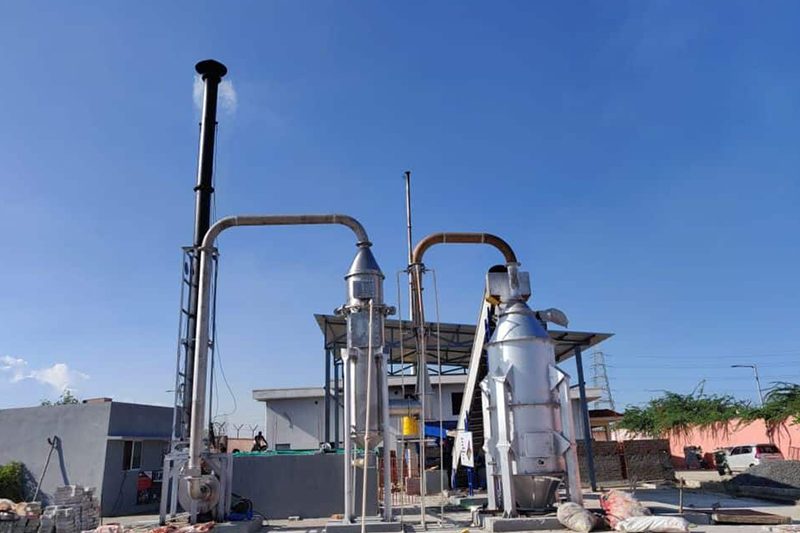
Incinerators
Waste incinerators need an ID fan that holds the furnace under draft through the quench, the scrubber and the bag filter, on gas that is hot, wet and corrosive.

Oil & Gas
Refineries and gas plants use fans on fired heaters and boilers (FD and ID), on flare and vent systems (vent silencers on relief and blow-down lines), and on process vessels where a knock-out drum separates liquid from vapour ahead of a compressor.

Chemical & Pharma
Chemical plants exhaust corrosive fumes from reactors, dryers and storage into wet scrubbers, with fans in stainless steel, PP-FRP or rubber-lined construction.
Fertilizer
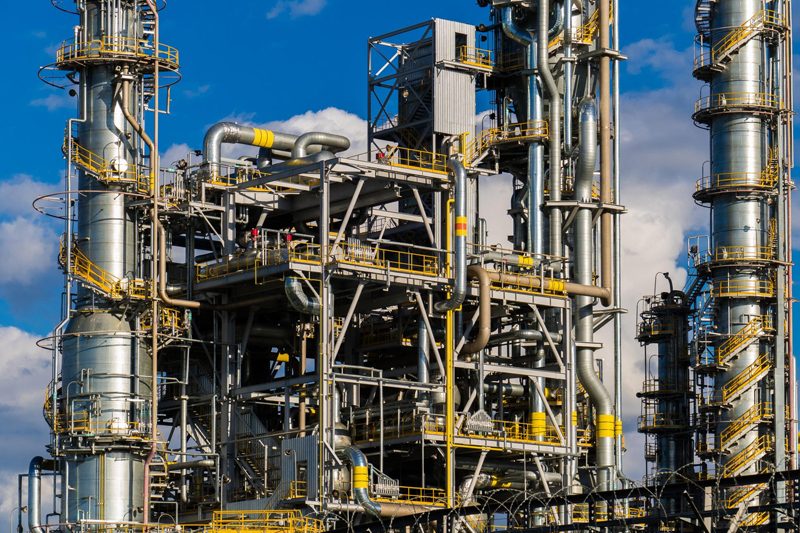
Fertilizer plants handle dust from granulators, dryers and coolers, and fumes such as ammonia and fluorides from reactors.
Glass
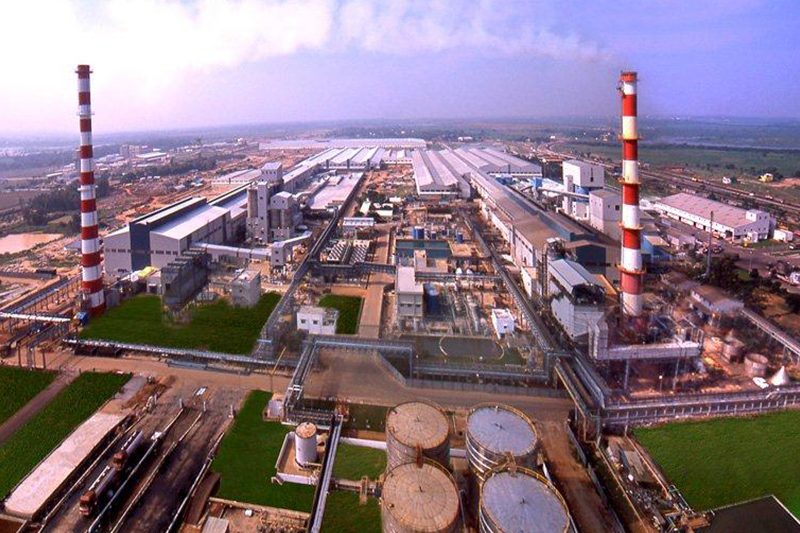
Glass furnaces need combustion air at steady pressure, cooling air on the furnace structure, and high pressure blowers for forming and annealing.
Ceramic
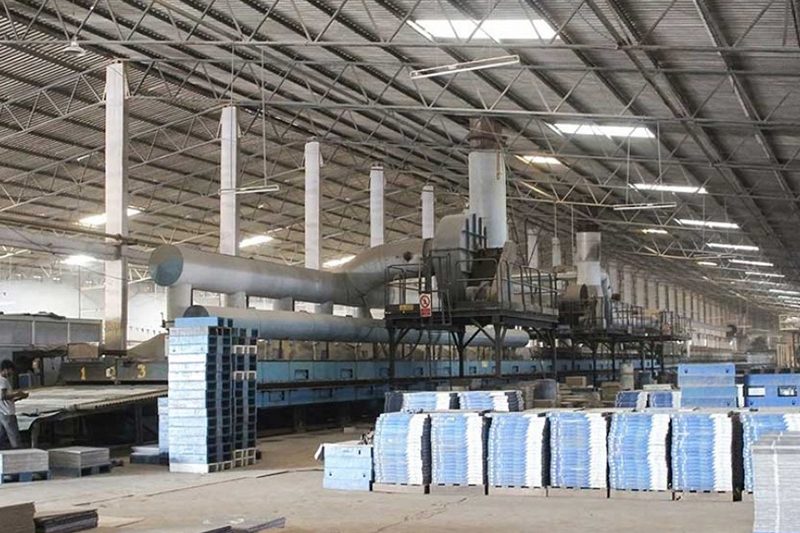
Tile, sanitaryware and refractory plants run spray dryers, kilns and glazing lines.
Driers
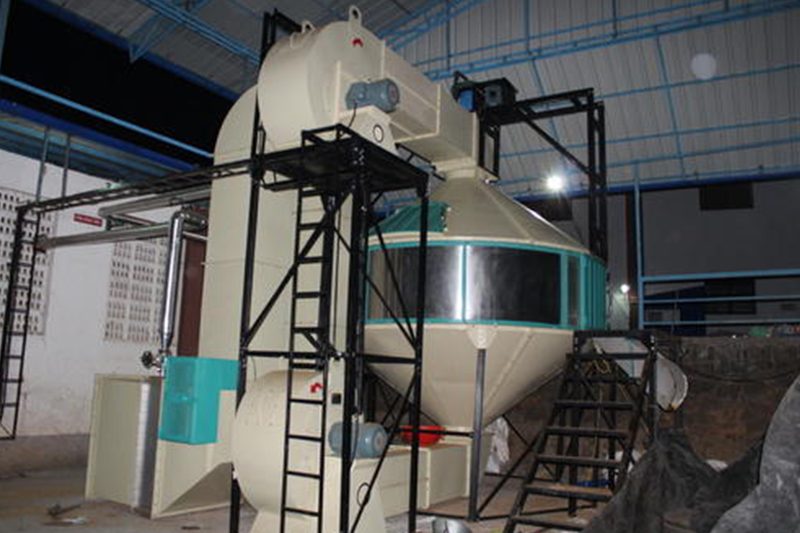
Rotary, fluid bed, spray and belt dryers all need a hot air fan to push heated air into the product and an exhaust fan to pull the moist, dust-laden air out through a cyclone or bag filter.
Paper
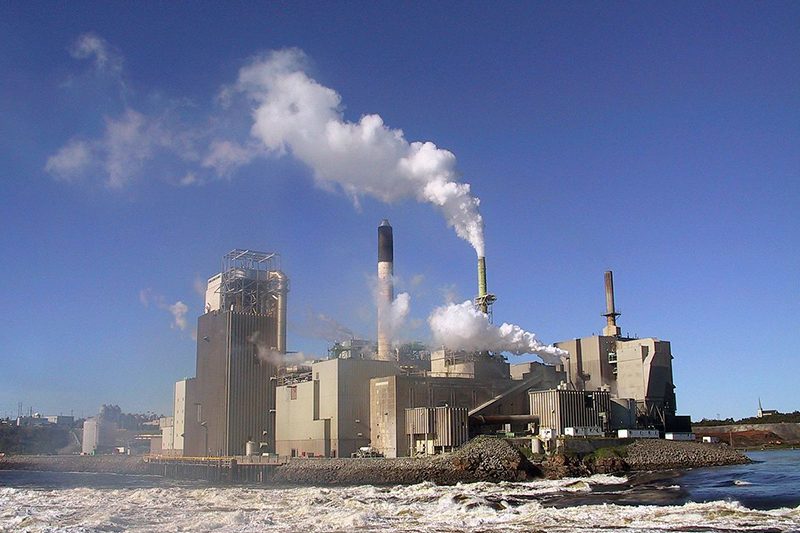
Paper mills use fans in the dryer section hood (supply and exhaust of hot, humid air), on the boiler (ID, FD), and for fume and dust extraction in the pulp and finishing areas.
Tobacco
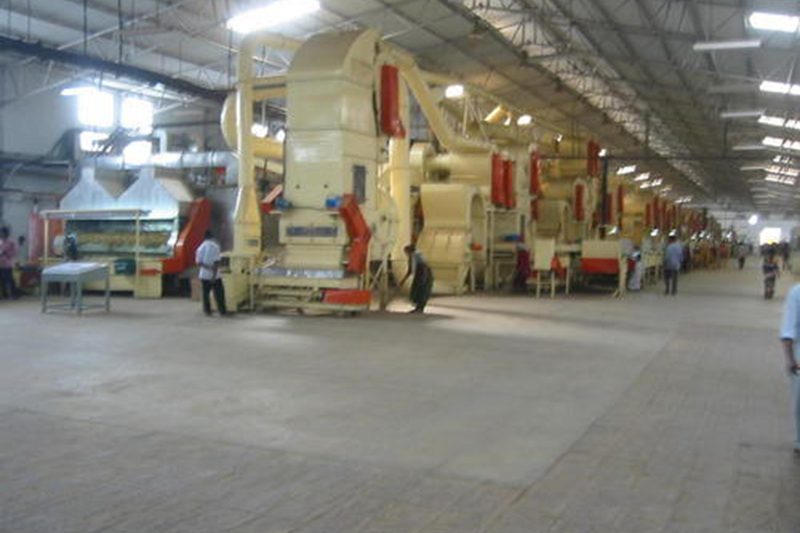
Tobacco processing generates fine dust from cutting, drying and blending.
Tea
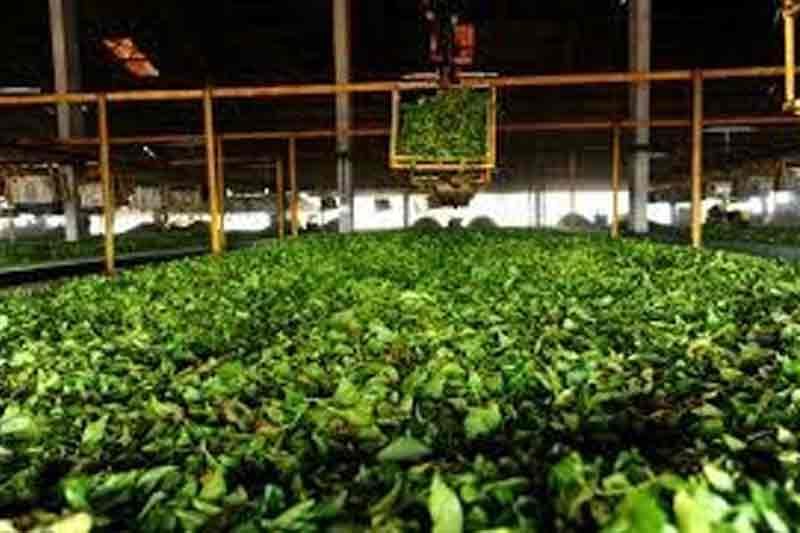
Tea factories use hot air fans on the withering troughs and dryers, exhaust fans on the dryer outlet, and dust extraction on the sorting and packing lines.
Food Processing
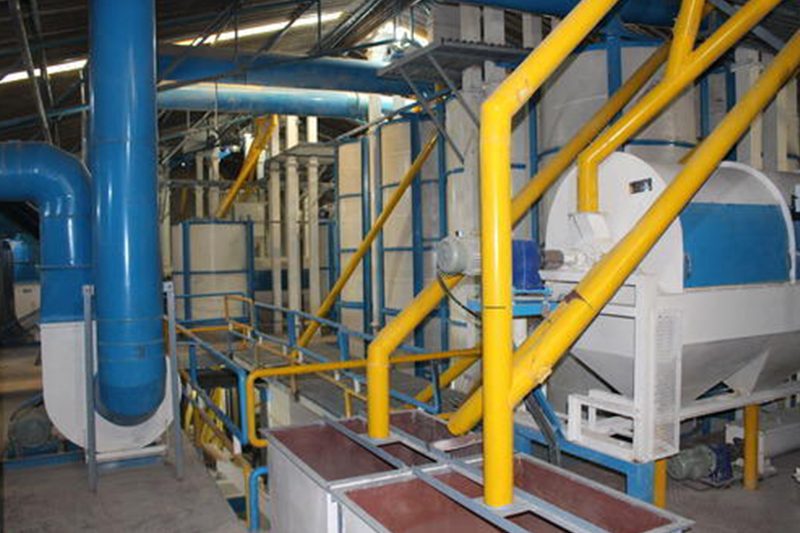
Food plants need stainless steel fans for dryer and oven exhaust, dust extraction on milling and mixing with bag filters, and ventilation and AHUs that hold the processing area at the required temperature and air quality..
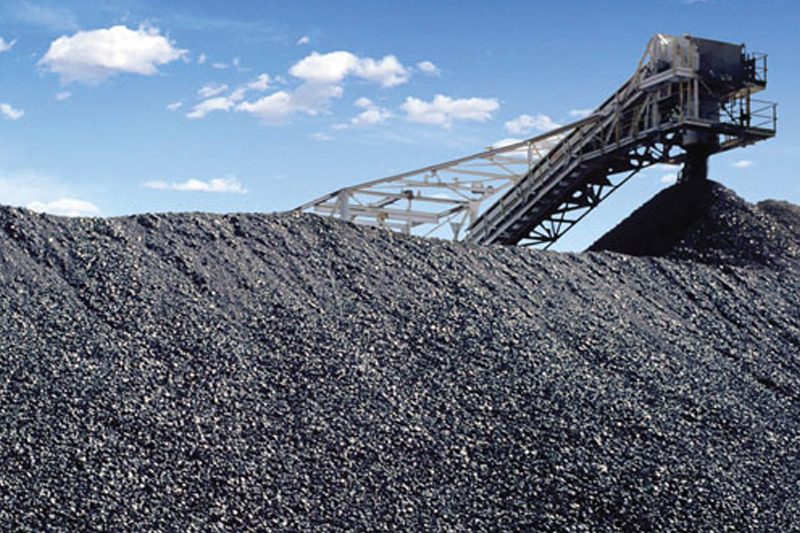
Coal Handling
Coal handling plants raise dust at every crusher, screen and transfer point.
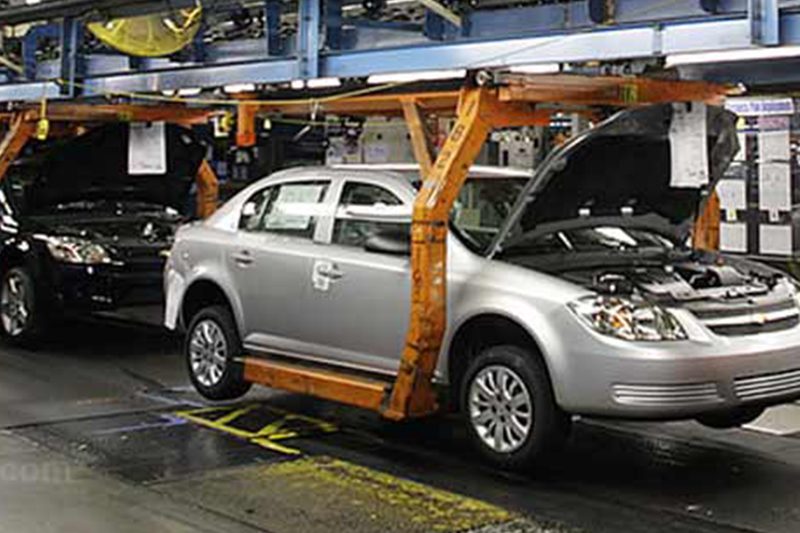
Automobile
Vehicle plants use fans on paint shop supply and exhaust, on ovens and dryers, on welding fume extraction, and for plant ventilation.
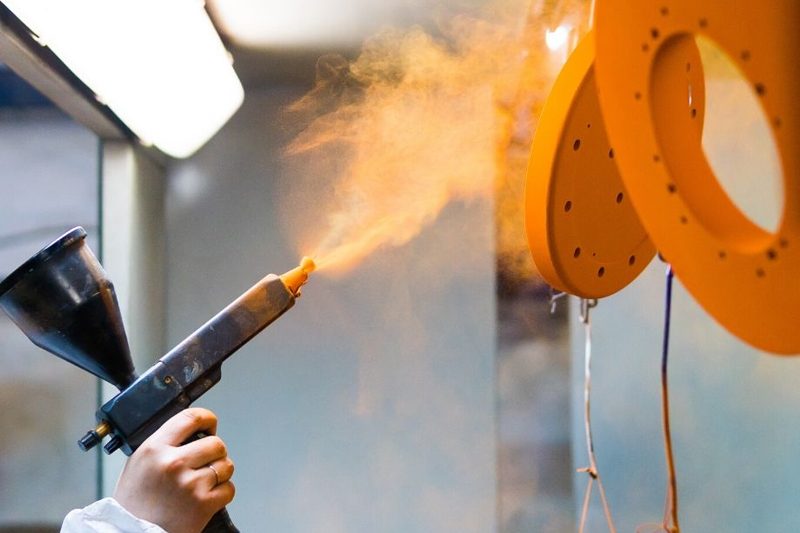
Surface Coating
Painting, powder coating and galvanising lines exhaust solvent vapour, overspray and acid fume.
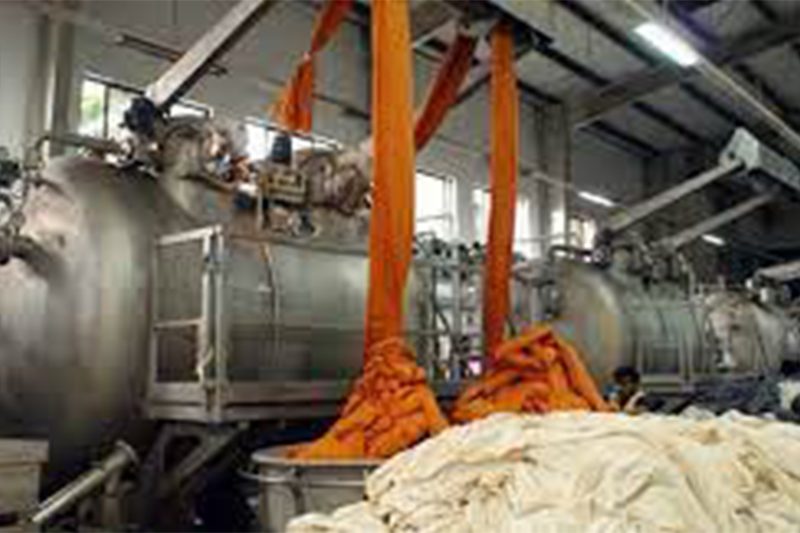
Dyeing Industries
Dyeing and textile processing houses use fans on stenters and dryers (hot, humid exhaust), on the boiler, and for shop floor ventilation.
Tyre
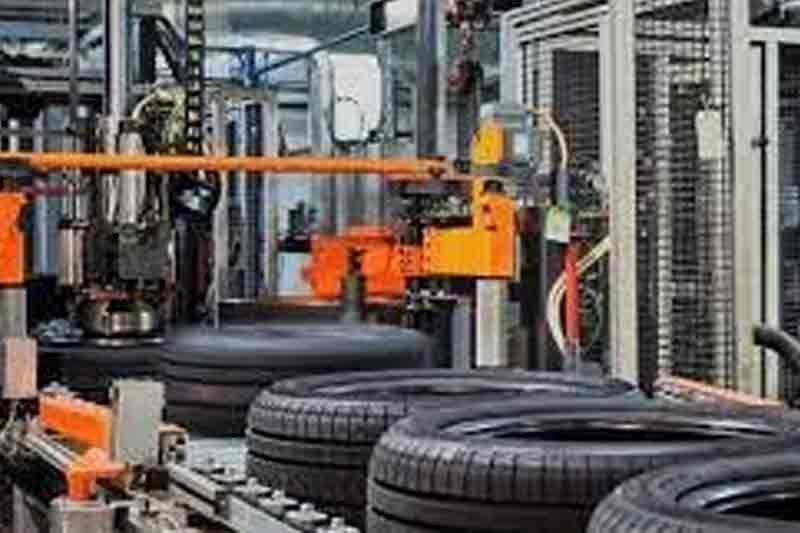
Tyre plants generate carbon black dust in mixing, rubber fume in curing, and heat everywhere.
Shipbuilding
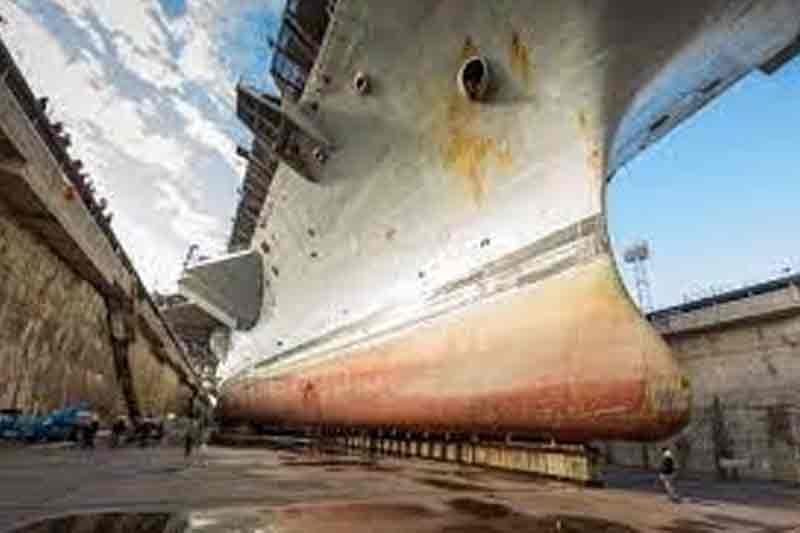
Shipyards need portable and fixed ventilation for confined-space work inside hulls and tanks, welding fume extraction, and exhaust for blasting and painting halls with dust collection and scrubbing..
Nuclear
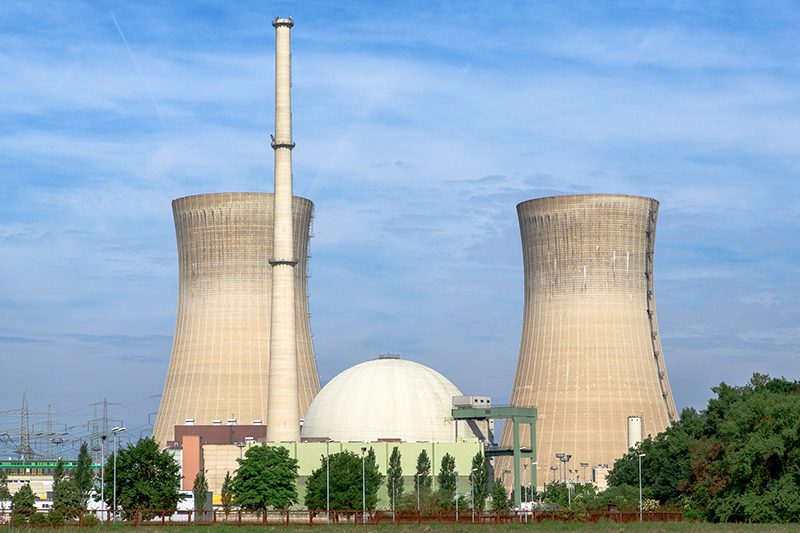
Nuclear facilities use ventilation systems that hold the building under controlled negative pressure, with HEPA-filtered exhaust and AHUs on the supply side.