
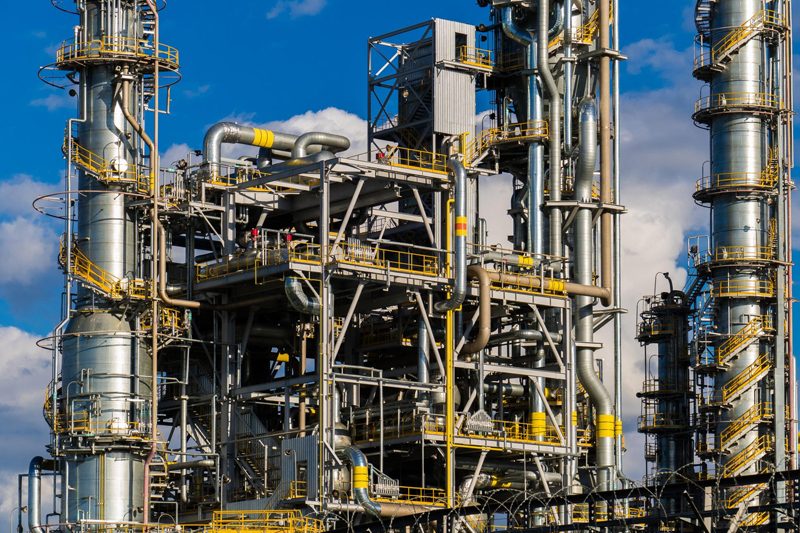
What the fans do here
Fertilizer plants handle dust from granulators, dryers and coolers, and fumes such as ammonia and fluorides from reactors. Bag filters take the dust, wet scrubbers take the gas, and the fans behind them are built in stainless steel or lined construction. High pressure blowers serve the dryer and cooler drums.
Applications in this industry
| Application | What it does | Type usually selected |
|---|---|---|
| High Pressure Blower | Delivers combustion, aeration and conveying air where the system resistance runs to several thousand millimetres of water column in a single stage. | Backward curved and radial tipped |
| Dust Collector Fan | The fan behind a bag filter, cyclone or multiclone on a dust extraction system. Placed on the clean side where possible so the blade can be chosen for efficiency. | Backward inclined and radial tipped |
| Fume Exhaust System | Hoods, ducting and an exhaust fan that capture fume at source and deliver it to a scrubber, bag filter or stack. Fan material follows the fume: stainless steel, PP-FRP or rubber lined where it is corrosive. | Backward inclined and radial tipped |
| Hot Air Fan | Circulates or supplies air at elevated temperature to a dryer, oven or kiln. Selected at the hot density with the shaft and bearing arrangement built for continuous hot running. | Backward curved and backward inclined |
Processes in this industry
Hot Air GeneratorsChemical Reactor and Tank VentsFertilizer Granulation PlantsFertilizer Rotary Dryers and CoolersSulphuric Acid PlantsRotary DryersFluid Bed Dryers and CoolersPneumatic Conveying SystemsSilo Aeration and Fluidisation
Equipment supplied
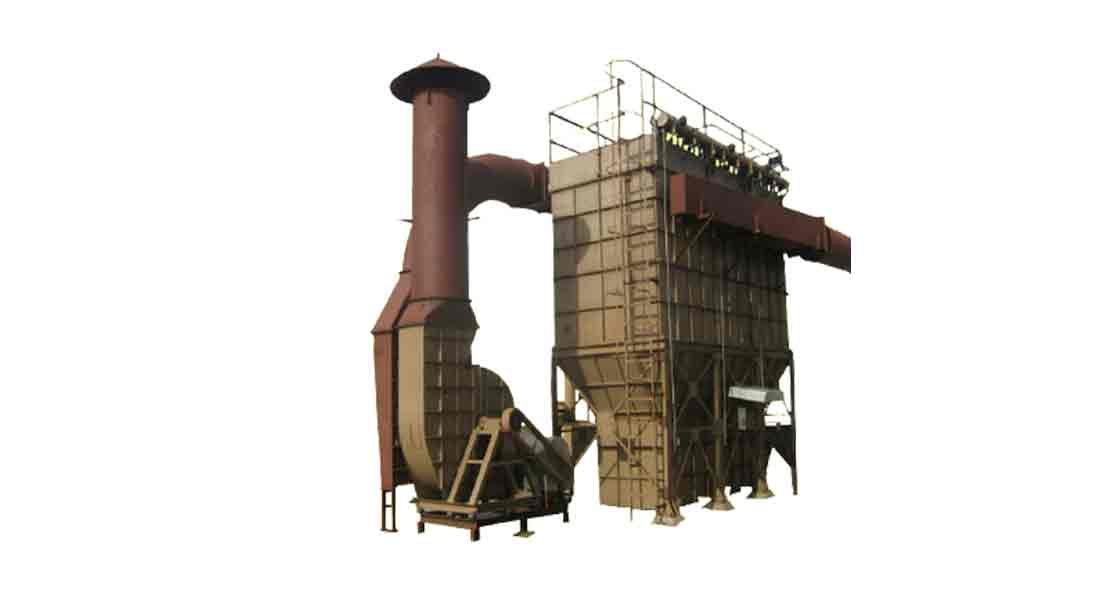
Bag Filter
Fabric filters in polyester, polypropylene, Ryton and Nomex. Efficiency to 99.9% down to 5 micron.
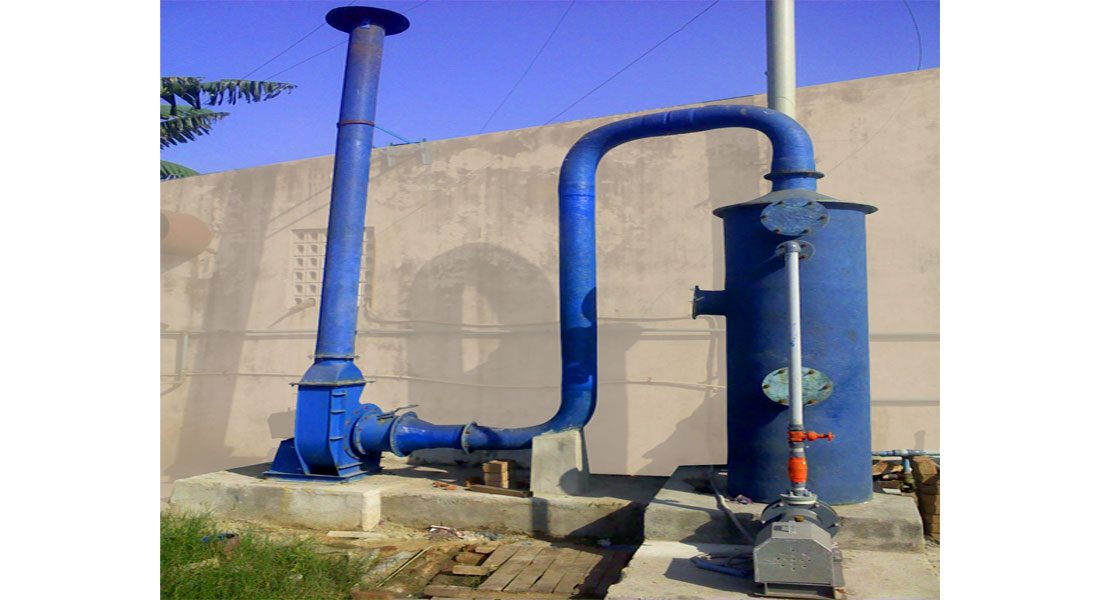
Wet Scrubber
Static, spray tower, packed bed, venturi and cyclonic spray types. Efficiency to 99.9% down to 5 micron.
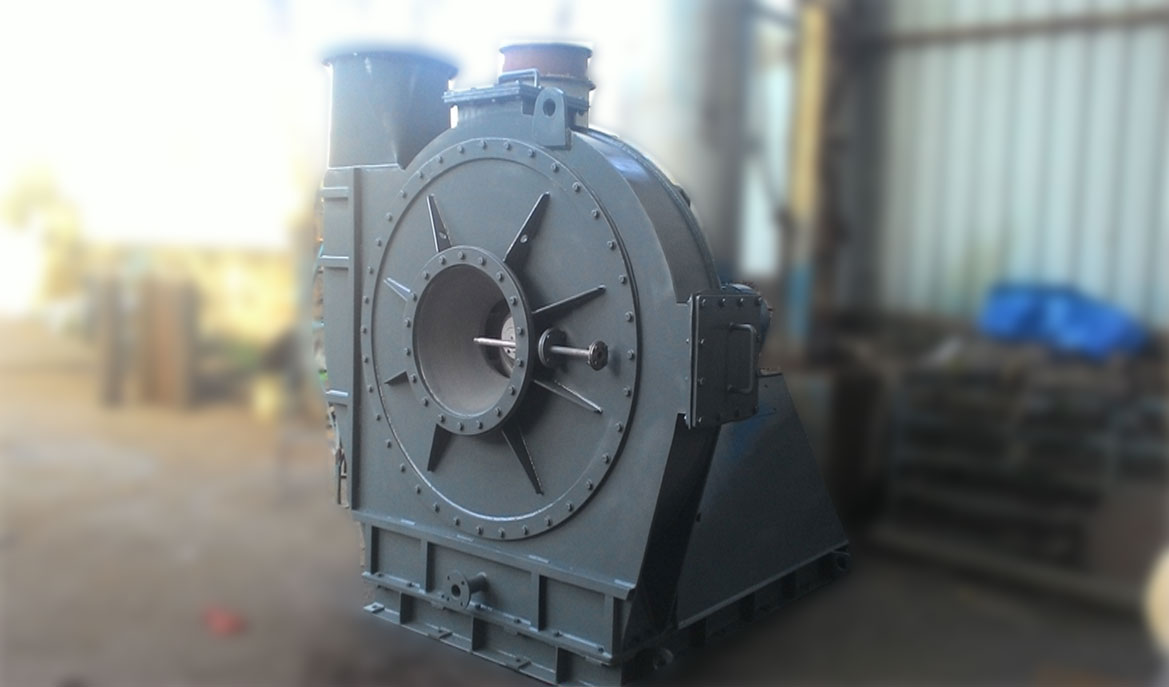
Centrifugal Fans
0.3 to 120 m³/s, 25 to 3120 mmWC single stage. Six blade configurations, three drive arrangements.
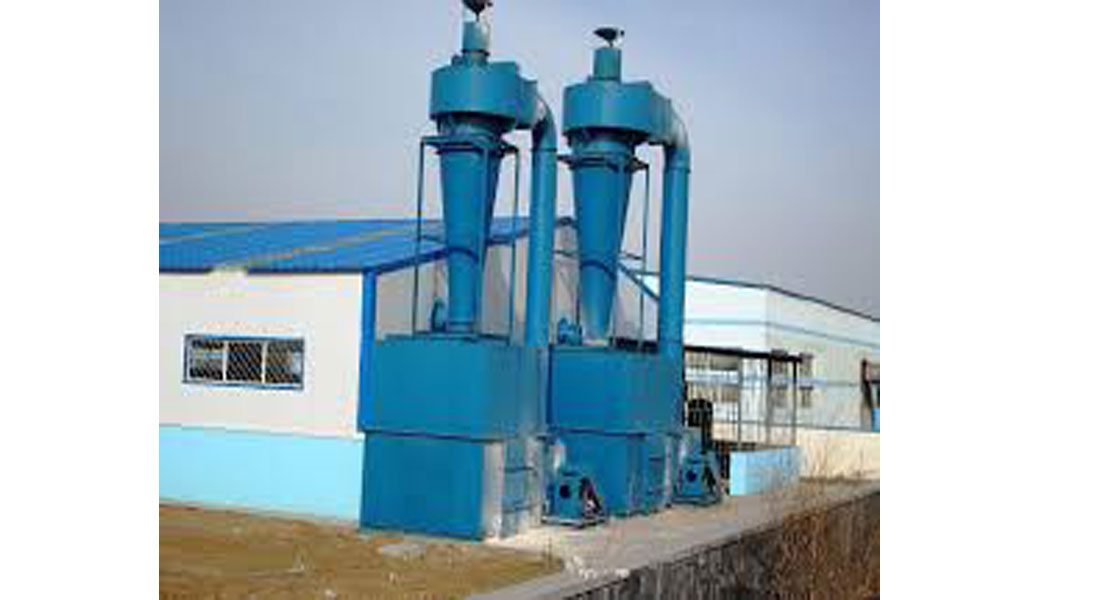
Cyclonic Separator
Coarse dust pre-collector. Low cost, low maintenance, low pressure drop. To 90% down to 30 micron.
Information needed to select or quote
- Duty point. Volume flow and static pressure at the fan inlet, with the gas density and temperature or the conditions to derive it.
- Operating conditions. Site altitude, normal operating temperature and continuous or intermittent duty.
- Gas stream. Dust loading and particle size, corrosive species, moisture, upset temperature and any tendency of the material to deposit on the impeller.
- Mechanical. Rotation viewed from the drive end, discharge orientation and motor power.