
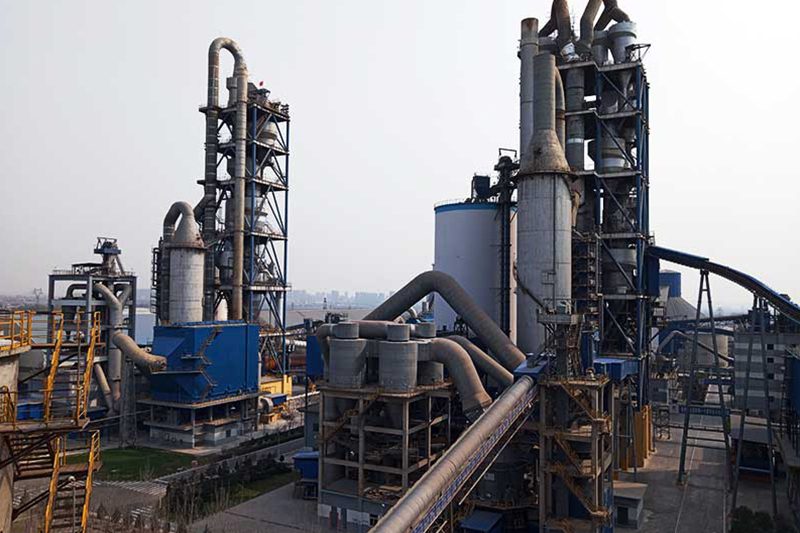
What the fans do here
A cement line is a chain of fans. The preheater fan sets the kiln draft, the raw mill fan draws hot kiln gas through the mill to dry the meal, the cooler compartment fans blow air up through the clinker bed, the cooler vent fan exhausts the surplus, and the coal mill fan carries pulverised coal to the burner. Air slide blowers move meal and cement around the plant. Every one of these handles abrasive dust, so radial tipped and wear-protected backward curved impellers are the norm, with bag filters or multiclones on each exhaust.
Applications in this industry
| Application | What it does | Type usually selected |
|---|---|---|
| Preheater Fan | Draws the kiln exhaust gas through the preheater cyclone stages. The largest fan in a cement line and the one that sets the kiln draft. | Backward curved and radial tipped |
| Raw Mill Fan | Draws hot kiln gas through the raw mill and separator, drying the raw meal on the way and carrying the fine product to the collector. Heavy fine dust, so wear protection on the impeller is standard. | Backward curved and radial tipped |
| Cooler Compartment Fan | Blows ambient air up through the grate of the clinker cooler. Each compartment has its own fan set for the pressure that bed needs. | Backward curved and radial tipped |
| Cooler Vent Fan | Exhausts the surplus hot air from the clinker cooler after the secondary and tertiary air have been taken off, drawing it through the cooler dust collector. | Backward curved and radial tipped |
| Cooler ID Fan | Draws the clinker cooler exhaust through the cooler dust collector to the stack, holding the cooler hood under a slight negative pressure. | Backward curved and radial tipped |
| Coal Mill Fan | Draws hot gas through the coal mill to dry and convey the pulverised coal to the burner or the fine coal bin. Built spark resistant because the gas carries combustible dust. | Backward curved and radial tipped |
| Air Slide Blower | Supplies low pressure aeration air to the fabric of an air slide, fluidising cement, raw meal or gypsum so it flows down the slide. | Backward curved and radial tipped |
| Shell Cooling Fan | Blows ambient air onto the rotary kiln shell in the burning zone to protect the refractory and the shell steel. A row of axial fans along the kiln, each covering one length of shell. | Axial |
| High Pressure Blower | Delivers combustion, aeration and conveying air where the system resistance runs to several thousand millimetres of water column in a single stage. | Backward curved and radial tipped |
Processes in this industry
Equipment supplied
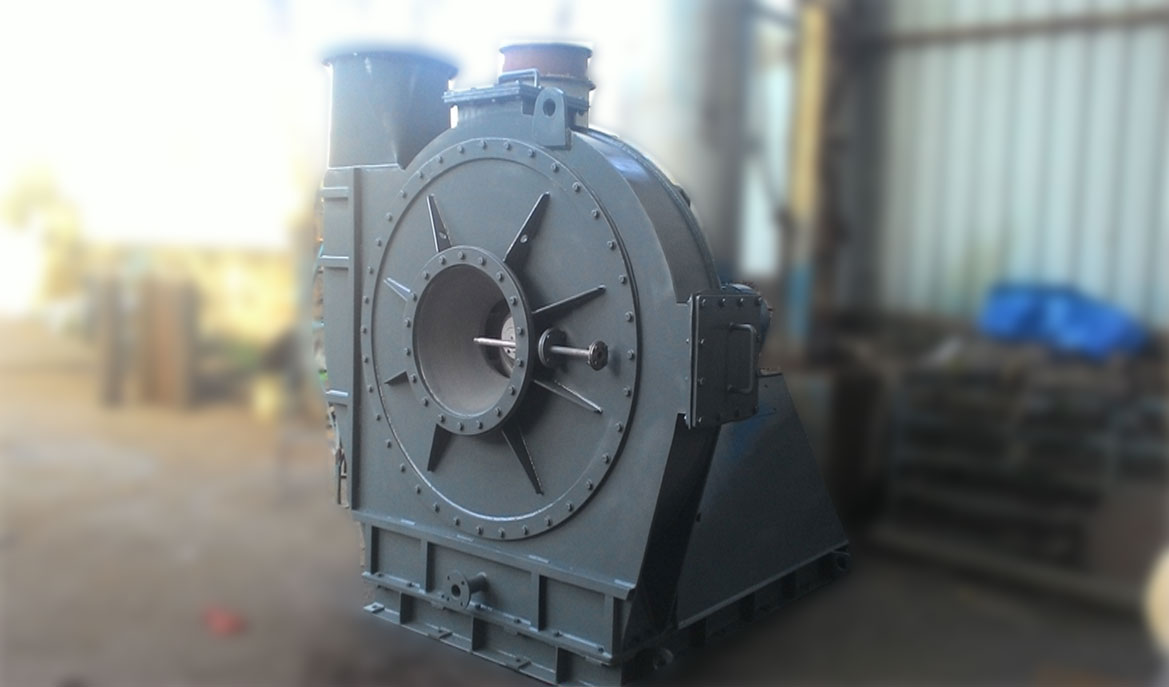
Centrifugal Fans
0.3 to 120 m³/s, 25 to 3120 mmWC single stage. Six blade configurations, three drive arrangements.
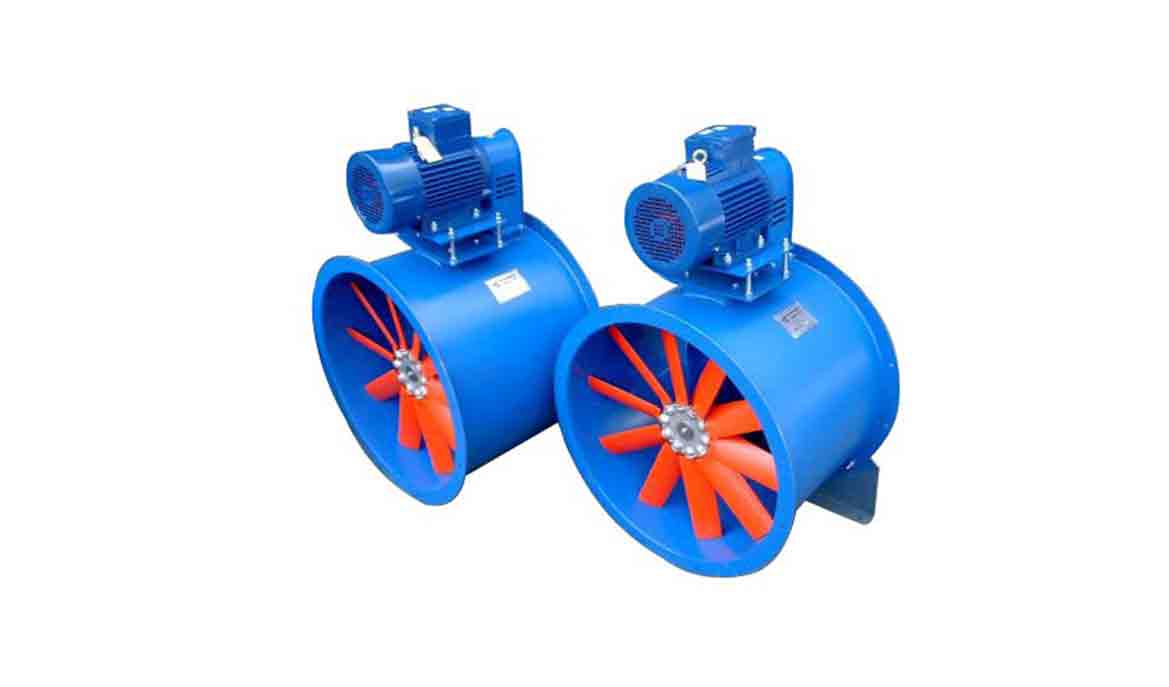
Axial Fans
0.3 to 70 m³/s, 3 to 75 mmWC. Direct drive, belt drive and bifurcated. Fixed or variable pitch impellers.
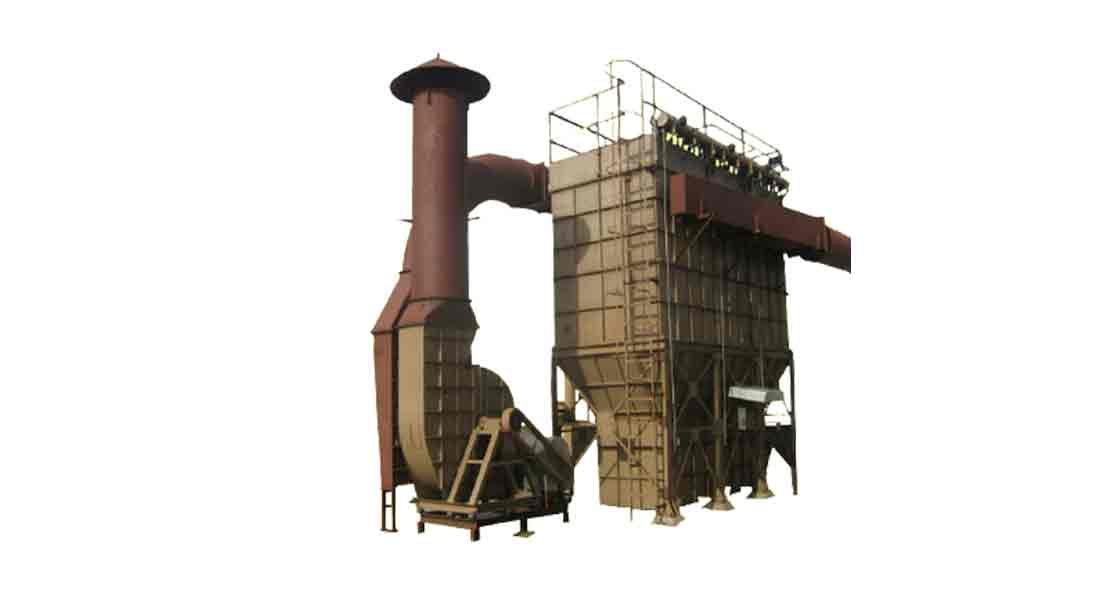
Bag Filter
Fabric filters in polyester, polypropylene, Ryton and Nomex. Efficiency to 99.9% down to 5 micron.
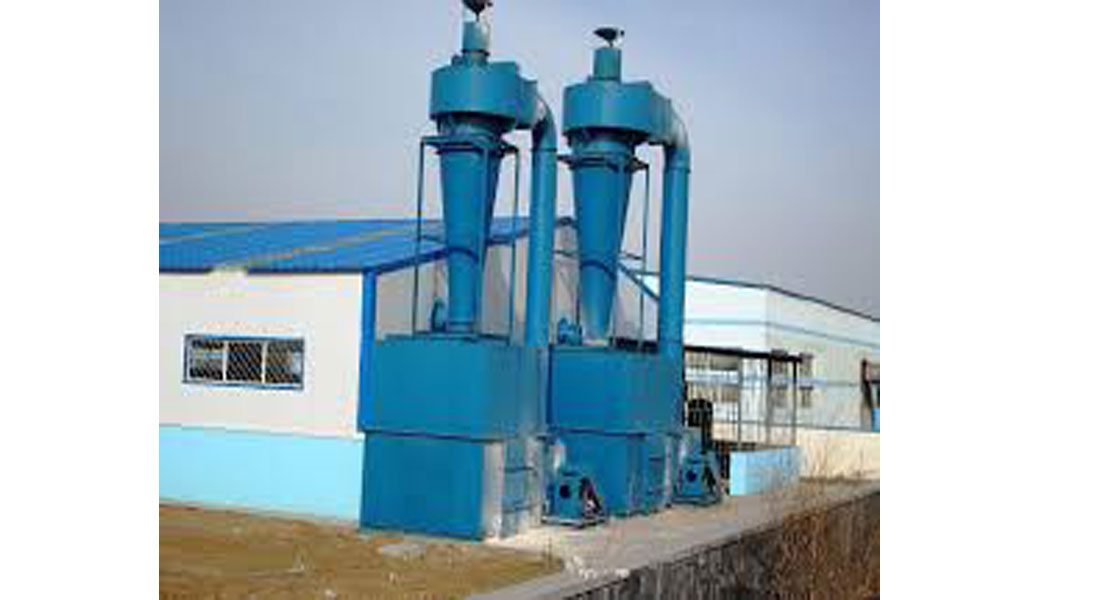
Cyclonic Separator
Coarse dust pre-collector. Low cost, low maintenance, low pressure drop. To 90% down to 30 micron.
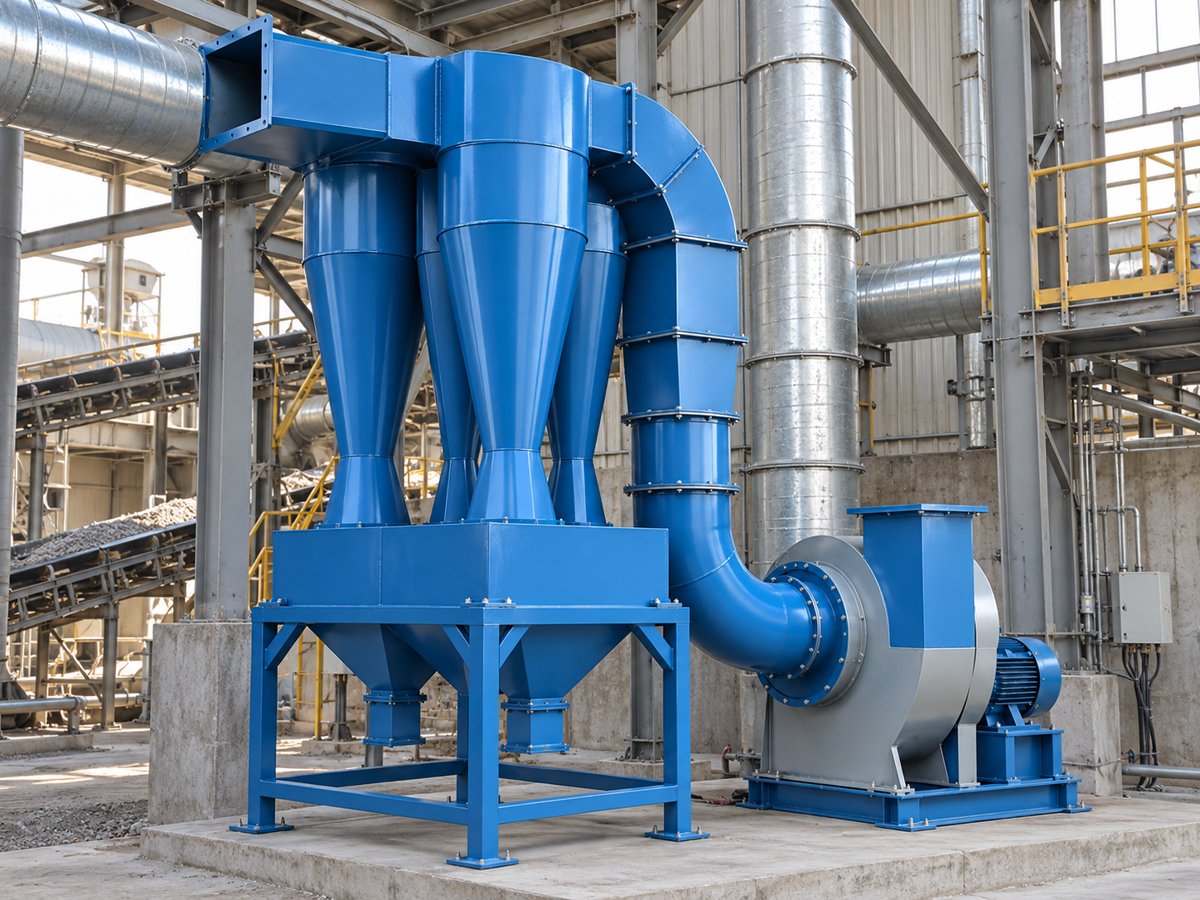
Multiclone
Bank of small cyclones in one housing. To 90% down to 20 micron, with hopper and rotary air lock.
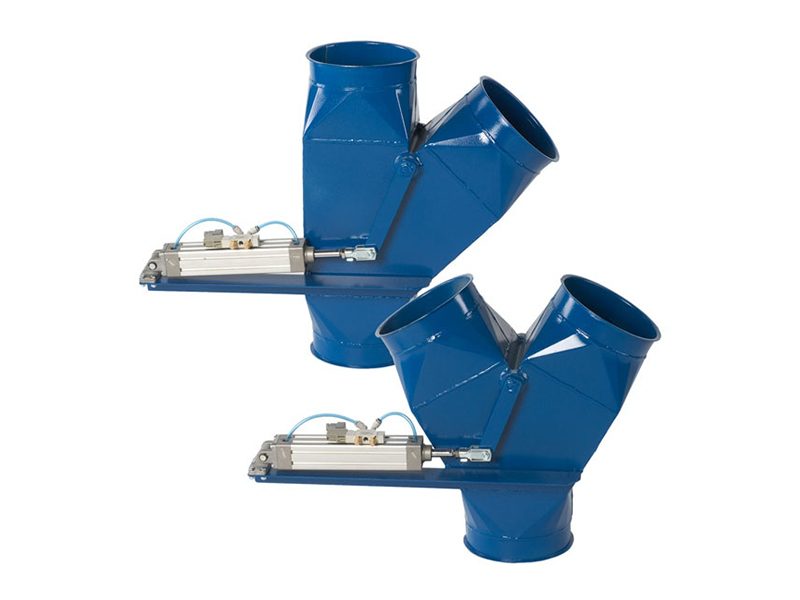
Dampers
Butterfly, multi louver, inlet vane, diverter and guillotine dampers in MS and stainless steel.
Information needed to select or quote
- Duty point. Volume flow and static pressure at the fan inlet, with the gas density and temperature or the conditions to derive it.
- Operating conditions. Site altitude, normal operating temperature and continuous or intermittent duty.
- Gas stream. Dust loading and particle size, corrosive species, moisture, upset temperature and any tendency of the material to deposit on the impeller.
- Mechanical. Rotation viewed from the drive end, discharge orientation and motor power.