
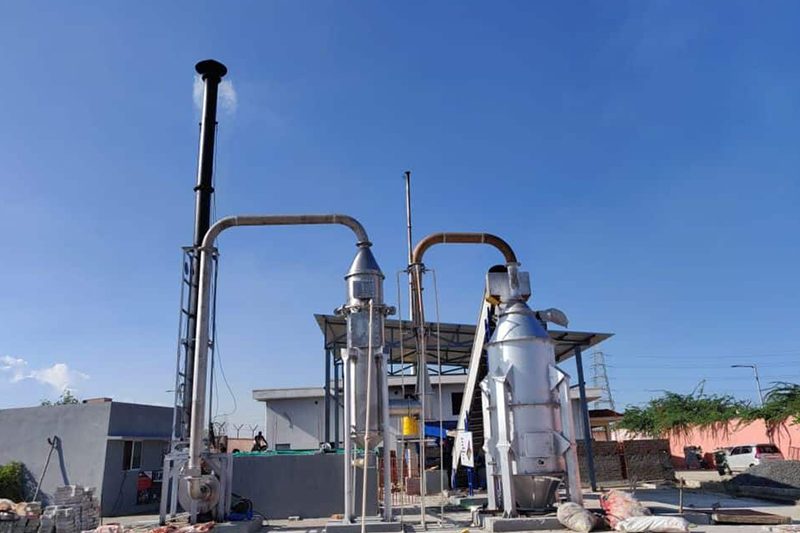
What the fans do here
Waste incinerators need an ID fan that holds the furnace under draft through the quench, the scrubber and the bag filter, on gas that is hot, wet and corrosive. Dilution air blowers cool the flue gas, wet scrubbers take out acid gas, and adsorption towers on activated carbon remove dioxins and mercury before the stack.
Applications in this industry
| Application | What it does | Type usually selected |
|---|---|---|
| ID Fan | Sits at the outlet of a boiler, kiln or furnace and draws the flue gas through the plant to the stack. It handles hot, dust-laden gas at large volume, so it is sized at the hot condition and checked at cold start. | Backward curved, backward inclined and radial tipped |
| Combustion Air Blower | Feeds a burner with air at the pressure the burner register needs. Sized for the burner turndown range, and often fitted with an inlet silencer. | Backward curved and radial tipped |
| Dilution Air Blower | Injects ambient air into a hot flue gas stream to bring it down to a temperature the downstream bag filter or fan can accept. | Backward curved |
| Mist Eliminator | Separates entrained liquid droplets from a vapour or gas stream, ahead of a compressor, a fan or a stack. | Demister Knockdown Vessel |
Processes in this industry
Equipment supplied
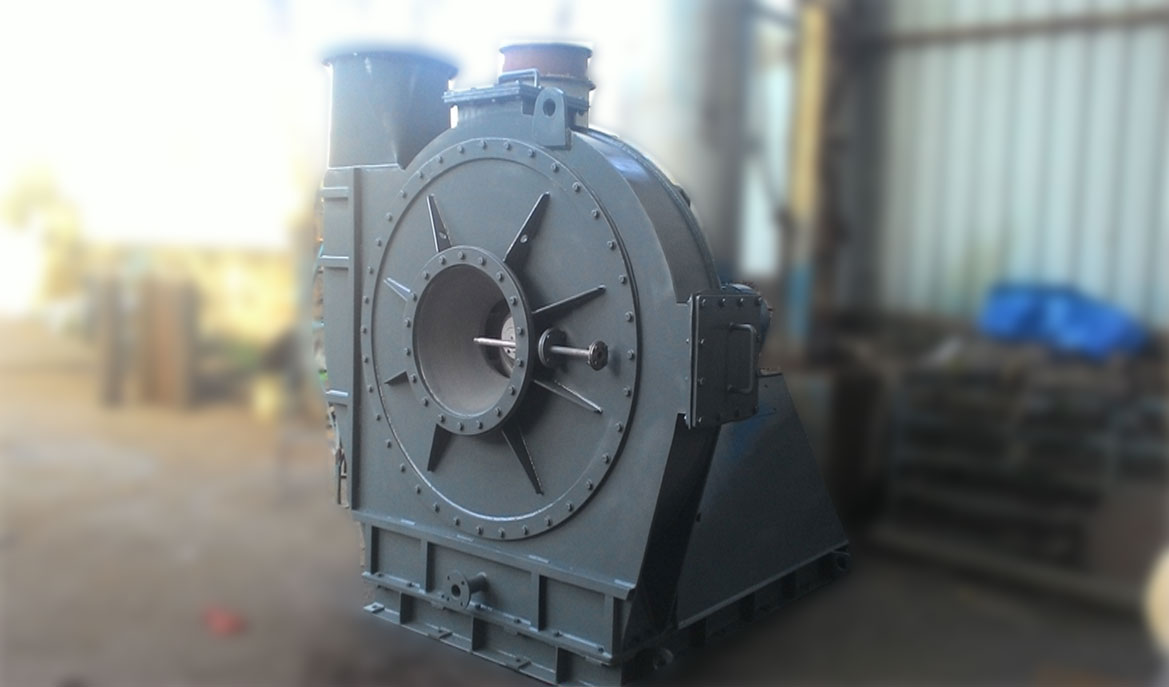
Centrifugal Fans
0.3 to 120 m³/s, 25 to 3120 mmWC single stage. Six blade configurations, three drive arrangements.
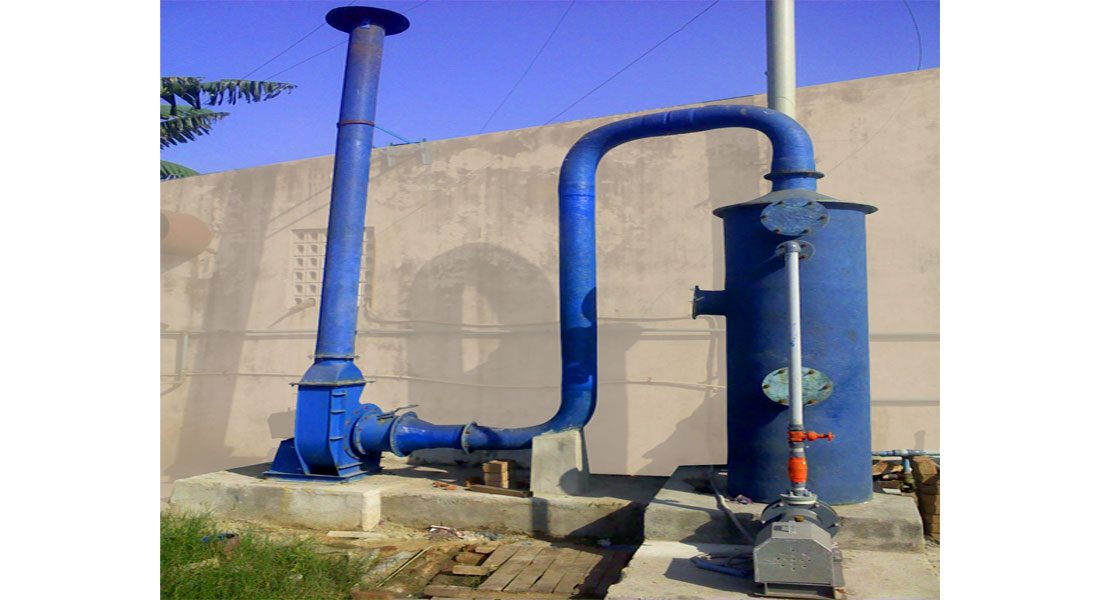
Wet Scrubber
Static, spray tower, packed bed, venturi and cyclonic spray types. Efficiency to 99.9% down to 5 micron.
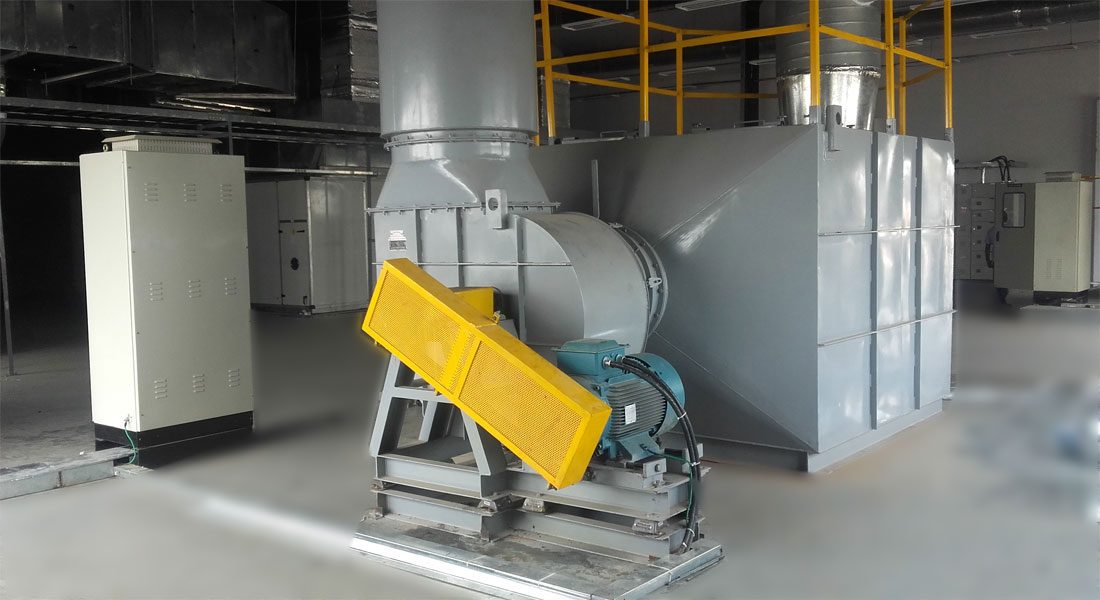
Adsorption Tower
Activated carbon towers for solvent, VOC and odour removal.
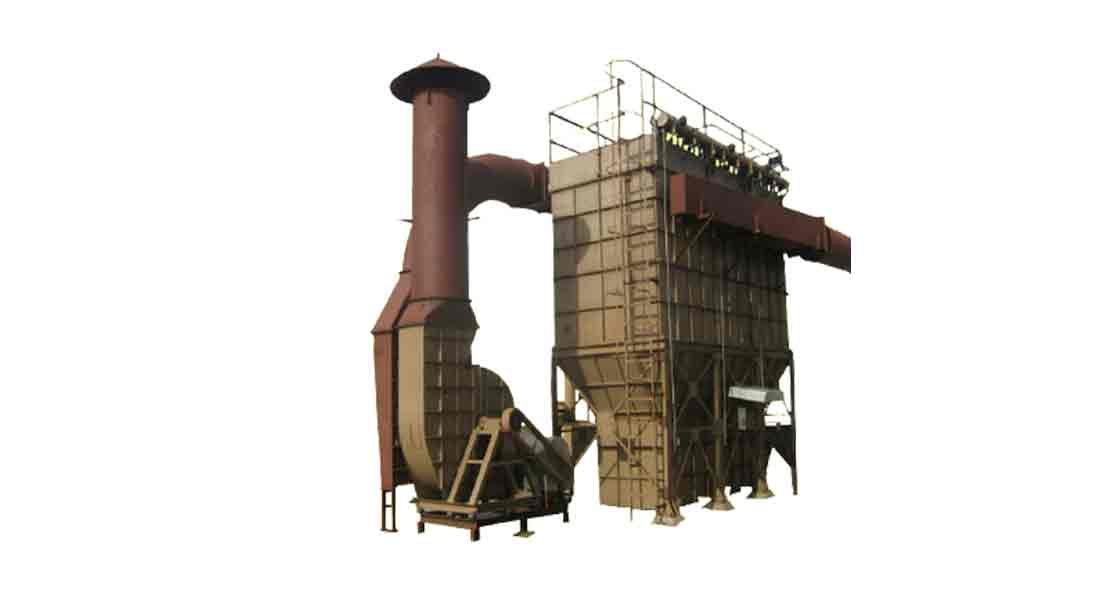
Bag Filter
Fabric filters in polyester, polypropylene, Ryton and Nomex. Efficiency to 99.9% down to 5 micron.
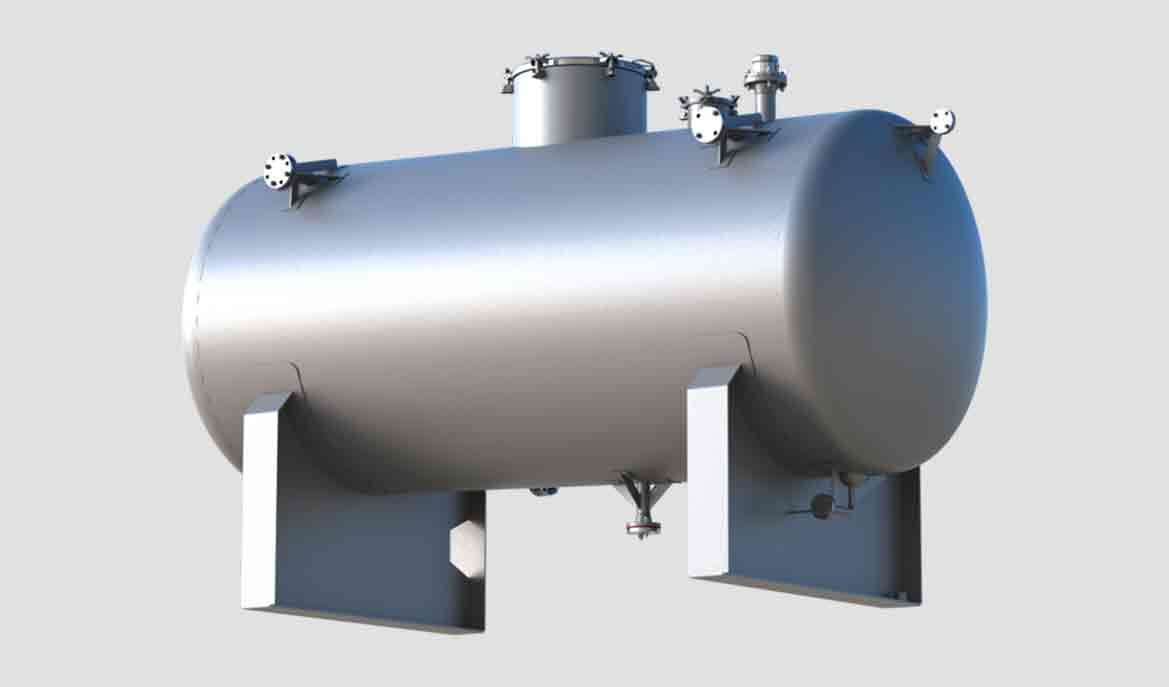
Demister Knockdown Vessel
Vertical or horizontal vessels to separate liquid from a two-phase vapour stream.
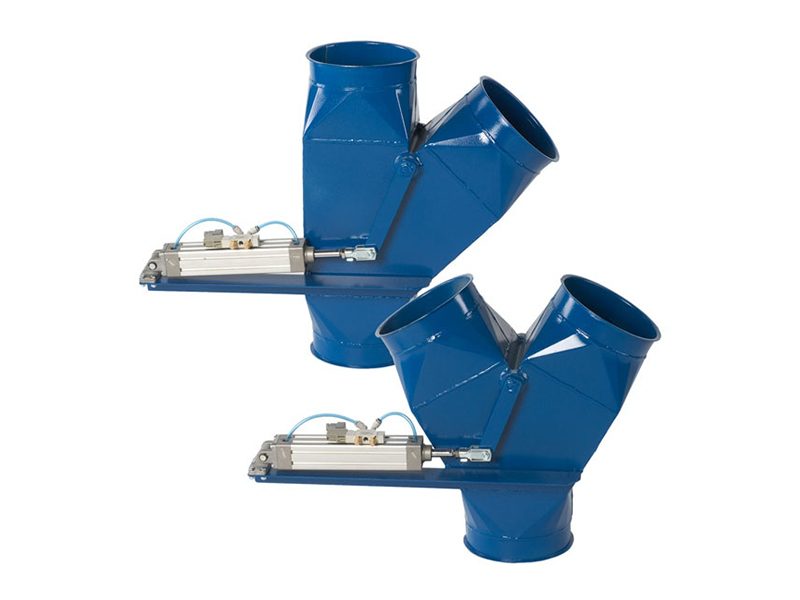
Dampers
Butterfly, multi louver, inlet vane, diverter and guillotine dampers in MS and stainless steel.
Information needed to select or quote
- Duty point. Volume flow and static pressure at the fan inlet, with the gas density and temperature or the conditions to derive it.
- Operating conditions. Site altitude, normal operating temperature and continuous or intermittent duty.
- Gas stream. Dust loading and particle size, corrosive species, moisture, upset temperature and any tendency of the material to deposit on the impeller.
- Mechanical. Rotation viewed from the drive end, discharge orientation and motor power.